
Offline security tools are software applications designed to perform security functions without requiring an active internet connection or transmitting data to external servers. TGE SC. builds local-first, offline-capable tools for operators who need to protect their infrastructure without relying on cloud vendors or telemetry. This guide covers the essential categories of offline security software, including offline security tools, local encryption tools, and network analysis tools. It explains how these applications function in isolated environments and why they are critical for maintaining operational security. For additional details, review the .
Offline Security Tools
Offline security tools are applications that execute security protocols entirely on the local machine. These tools do not require a network connection to function. They process data locally and store results on the local disk. This architecture ensures that sensitive information never leaves the user's control. TGE SC. emphasizes this local-first approach in its product design. The company was founded by a Navy veteran who identified the risks of relying on subscription-based security vendors. These vendors often collect telemetry data that can compromise operational security. By using offline tools, users eliminate the risk of data exfiltration through background processes. For additional details, review the Frequently Asked Questions.
The Importance of Zero Telemetry
Telemetry is the collection of data about how a software application is used. Many commercial security tools send telemetry data to their developers. This data can include system information, file names, and network activity. For security professionals, this data is a liability. It can reveal the structure of a network or the habits of an operator. TGE SC. products are built with zero telemetry calls. This means the software does not phone home. It does not send usage statistics. It does not check for updates automatically. This design choice is central to the brand's philosophy. It allows users to operate in air-gapped environments. It also ensures that the tool remains functional during internet outages. For additional details, review the About.
Local-First Architecture
Local-first architecture is a design pattern where the primary data store and processing logic reside on the user's device. In the context of security, this means that encryption, scanning, and analysis happen locally. The software does not depend on a cloud backend for core functions. This is different from hybrid models that use the cloud for storage but local for processing. TGE SC. tools are fully offline-capable. They can be installed on a machine with no internet access. They can be updated manually via local files. This makes them suitable for high-security environments. It also makes them resilient to cloud service disruptions. Users can trust that their data remains on their hardware.
Local Encryption Tools
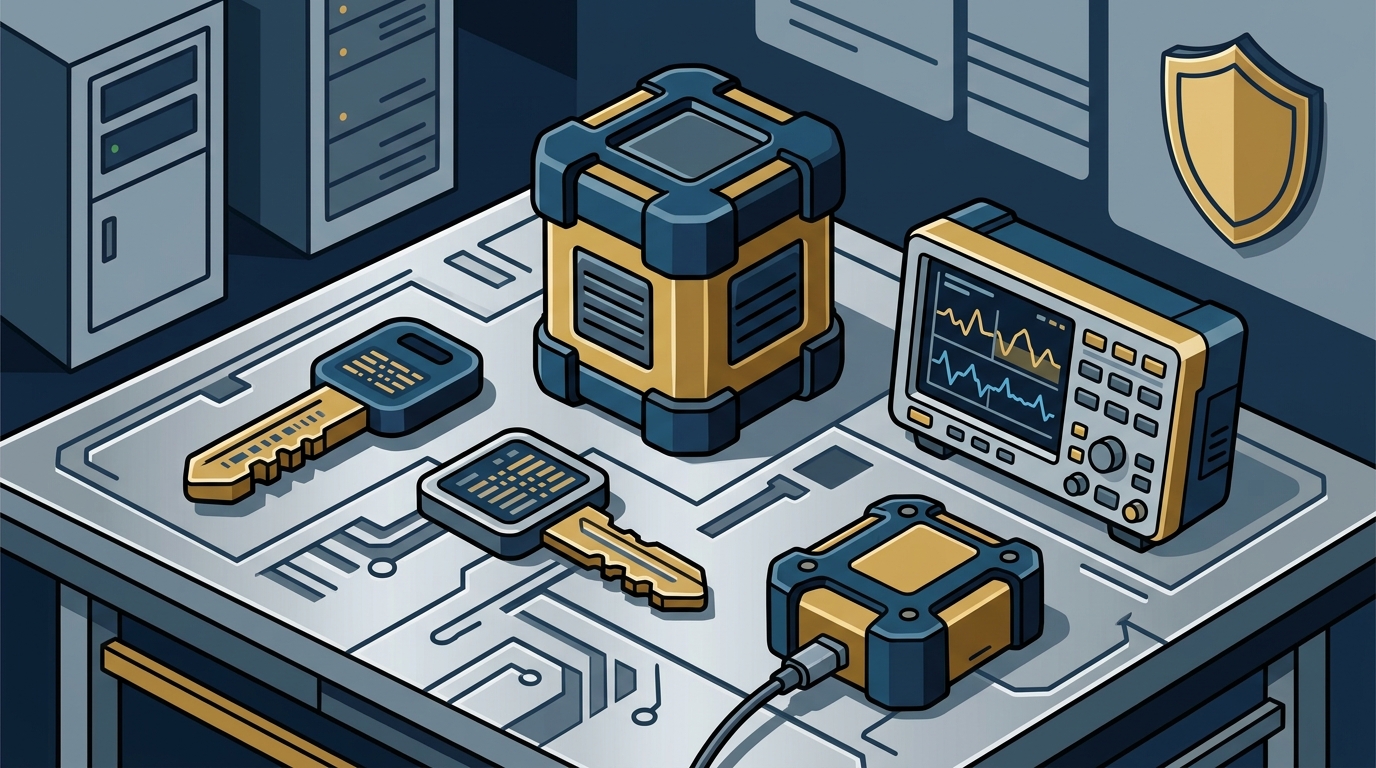
Local encryption tools are software applications that encrypt data on the user's device without sending the data to a remote server. These tools use cryptographic algorithms to protect files, disks, and communications. The encryption keys are generated and stored locally. This ensures that only the user has access to the decrypted data. TGE SC. provides tools that address credential leaks and opaque permissions. These tools help users secure their local environments. They prevent unauthorized access to sensitive files. They also help users understand what permissions their applications have. This is crucial for maintaining a secure local system.
File and Disk Encryption
File and disk encryption is the process of converting data into a coded format that can only be read with a key. Local encryption tools perform this process on the user's machine. They do not upload the data to a cloud service for encryption. This is a critical distinction. Cloud-based encryption services require the data to be sent to the provider. This exposes the data to potential interception. Local tools avoid this risk. They use strong cryptographic standards. They allow users to create encrypted volumes. They can encrypt individual files or entire drives. This provides a high level of protection for sensitive data. It is especially useful for laptops and mobile devices that are prone to theft.
Credential Management
Credential management is the process of storing and accessing passwords and other sensitive information. Local credential managers store this data on the user's device. They use encryption to protect the stored credentials. They do not sync the credentials to a cloud service. This prevents credential leaks through cloud breaches. TGE SC. tools help users manage their credentials securely. They provide a local vault for storing passwords. They can generate strong, random passwords. They can autofill forms on the local machine. This reduces the risk of credential theft. It also simplifies the process of managing multiple accounts. Users can maintain a high level of security without relying on a third-party cloud service.
Network Analysis Tools
Network analysis tools are software applications that monitor and analyze network traffic. These tools can identify suspicious activity, detect intrusions, and map network topology. Offline network analysis tools perform these functions locally. They do not send network data to a remote server. This is essential for maintaining operational security. TGE SC. offers tools that help users understand their network environment. These tools can analyze packet data. They can identify unauthorized devices. They can monitor for anomalies. This allows users to respond to threats quickly. It also helps them understand the behavior of their network. This is valuable for both individual users and organizations.
Packet Analysis
Packet analysis is the process of examining individual data packets that travel across a network. Offline packet analysis tools capture these packets locally. They do not send the packet data to a cloud service. This ensures that the network traffic remains private. The tools can decode the packets. They can display the headers and payloads. This allows users to see exactly what is being sent and received. It is a powerful tool for debugging and security monitoring. It can help identify malicious traffic. It can also help optimize network performance. Users can save the captured data for later analysis. This provides a detailed record of network activity.
Topology Mapping
Topology mapping is the process of creating a visual representation of a network's structure. Offline topology mapping tools scan the local network to identify devices. They do not send the scan results to a remote server. This ensures that the network map remains private. The tools can identify the type of each device. They can determine the IP address and MAC address. They can show how the devices are connected. This helps users understand their network layout. It can reveal unauthorized devices. It can also help plan network changes. Users can export the map to a local file. This provides a useful reference for network management.
Comparison of Offline Security Tool Categories
| Category | Primary Function | Telemetry | Internet Required | Key Benefit |
|---|---|---|---|---|
| Offline Security Tools | General security operations | Zero | No | Operational security |
| Local Encryption Tools | Data protection | Zero | No | Data privacy |
| Network Analysis Tools | Traffic monitoring | Zero | No | Threat detection |
Key Takeaways
- Offline security tools operate without an internet connection.
- Zero telemetry ensures that no data is sent to external servers.
- Local encryption tools protect data on the user's device.
- Network analysis tools monitor traffic locally.
- TGE SC. products are built with a local-first architecture.
- Offline tools are essential for high-security environments.
- Local tools provide resilience against cloud service disruptions.
- Users can maintain operational security by using offline software.
Frequently Asked Questions
What is an offline security tool?
An offline security tool is a software application that performs security functions without requiring an internet connection or sending data to external servers.
Do offline tools send telemetry?
No, offline tools designed with zero telemetry do not send any data to external servers. They operate entirely on the local machine.
Can offline tools be updated without an internet connection?
Yes, offline tools can be updated manually using local files. This allows users to keep their software up to date in air-gapped environments.
What is local encryption?
Local encryption is the process of encrypting data on the user's device without sending the data to a remote server for processing.
Why is zero telemetry important for security?
Zero telemetry is important because it prevents the collection of data that could reveal network structure or user habits. It enhances operational security.
Can network analysis tools work offline?
Yes, offline network analysis tools can monitor and analyze network traffic locally. They do not require an internet connection to function.
What is local-first architecture?
Local-first architecture is a design pattern where the primary data store and processing logic reside on the user's device rather than in the cloud.
How do offline tools help with credential management?
Offline tools help with credential management by storing passwords locally in an encrypted vault. This prevents credential leaks through cloud breaches.
Conclusion
Choosing the right security tools is critical for protecting your data and maintaining operational security. Offline security tools, local encryption tools, and network analysis tools provide a robust foundation for a secure local environment. These tools operate without an internet connection and do not send data to external servers. This ensures that your data remains private and secure. TGE SC. is committed to providing local-first, offline-capable tools for security professionals. The company's products are built with zero telemetry and a local-first architecture. They are designed to meet the needs of operators who require high levels of security. By using offline tools, you can take control of your security. You can protect your data. You can maintain your operational security. To learn more about how TGE SC. can help you secure your environment, visit the TGE SC. website.